"Even in general practice, I find acupuncture invaluable for managing anxiety during examinations, creating a less stressful environment for both the animal and the owner. This reinforces my belief that these modalities are not isolated treatments for rehabilitation therapy, but rather powerful tools that enhance overall patient care. " - Dr. Jennifer Devine
Dr. Jennifer Devine's entry into veterinary medicine was anything but typical, sparked not by a pet-filled childhood but by the inspiring rescue work of her aunt whose ear-infection-prone pups led her to a lightbulb moment one afternoon at the vet.
In this interview, Dr. Devine recounts these formative experiences and reveals how personal challenges, including her own recovery from a back injury and her sister's battle with cancer, shaped her path to geriatric rehabilitation and pain management.
Learn more about her deep commitment to comprehensive animal care and how a combination of modalities like pharmaceuticals and acupuncture can lead to even better outcomes.
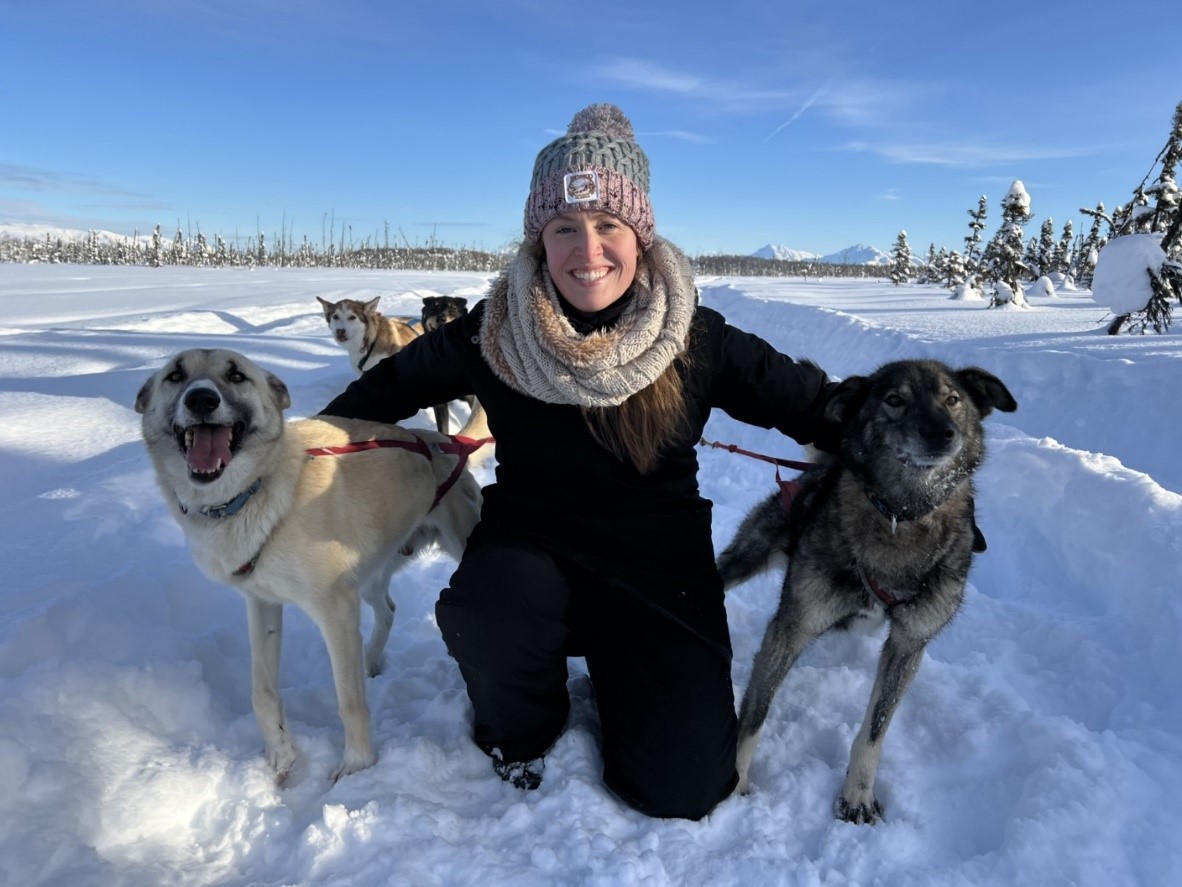
What sparked your interest in veterinary medicine, rehabilitation, and alternative therapies?
My path to veterinary medicine is unique; I grew up without pets due to allergies but was always fascinated by animals. My best friend in high school initially opened my eyes to veterinary medicine. During a visit to her dog's vet, I was captivated by the veterinarian's knowledge and compassion. However, the real inspiration came from my Aunt Carol, a therapist who had two ear-infection-prone dogs and worked with teens in group homes that rescued animals and had an equine therapy program. Knowing my interest in animals, she took me to her vet clinic and left me there for the day. Completely immersed in the veterinary environment, witnessing the human-animal bond and the medical care provided, something inside me just clicked that day and confirmed my desire to become a veterinarian.
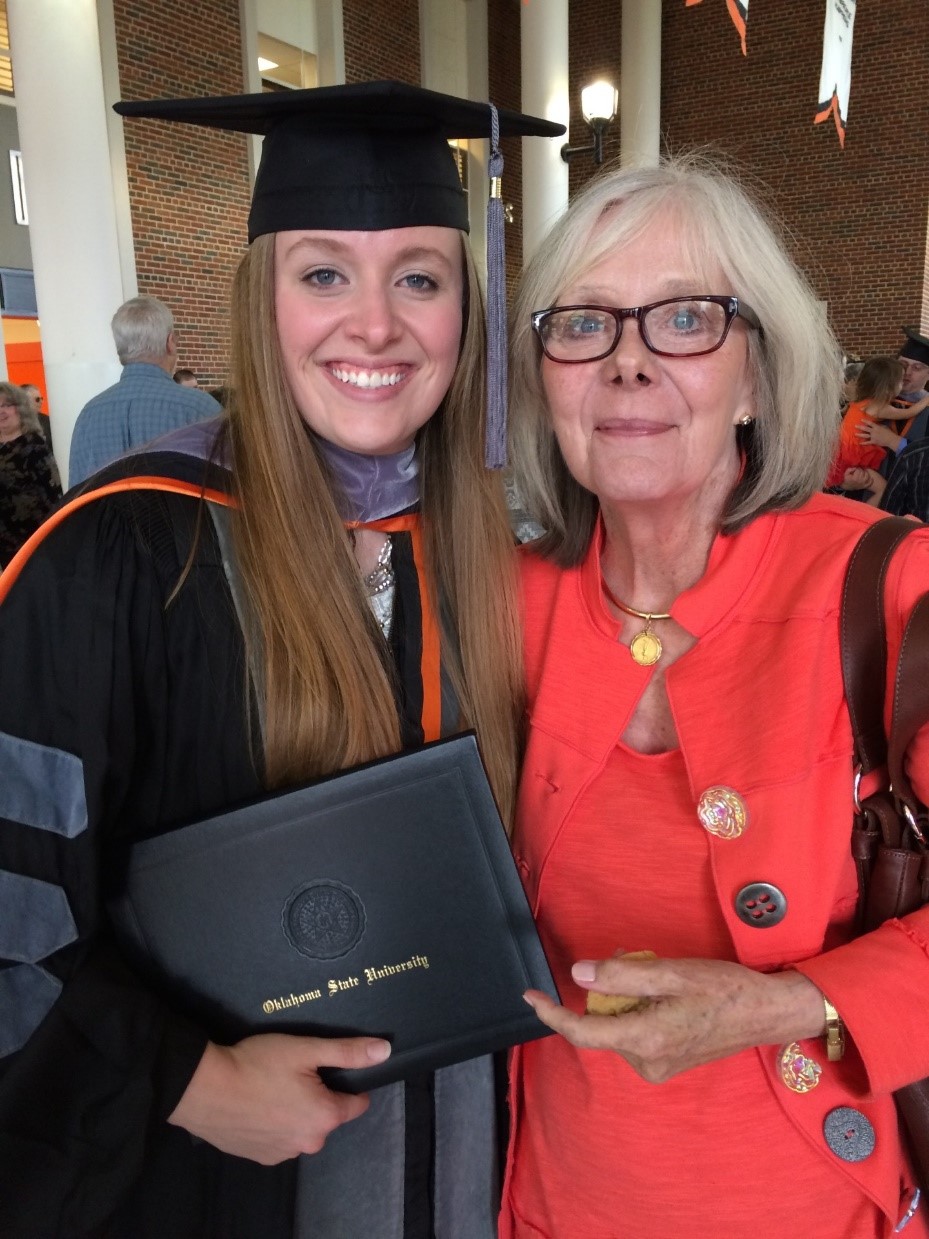
Dr. Devine with her Aunt Carol
Initially, I was drawn to large animal medicine, enjoying hands-on work with cattle, until a back injury sustained during my senior year shifted my focus to rehabilitation. This experience underscored the importance of restoring function beyond immediate treatment, and it clarified my interest in veterinary rehabilitation during my time in vet school.
Tragically, I lost my sister to stage 4 colon cancer during my second year of vet school. Her struggle with pain management and the limitations of traditional treatments propelled me to explore alternative therapies.
I began to ponder what could have helped her—acupuncture for pain and physical therapy for weakness. Her battle influenced my perspective on care, highlighting that animal patients also face challenges in communicating their needs.
My commitment to advocating for animals and providing comprehensive care deepened through my sister's experience. I now adopt a holistic approach to cancer and geriatric care, focusing on pain management and improving comfort and quality of life through various avenues.
How do you integrate acupuncture with other modalities, such as physical therapy and rehabilitation, in your practice?
My approach to veterinary medicine emphasizes a holistic integration of modalities to optimize patient outcomes. For orthopedic conditions, I combine physical therapy with acupuncture to manage pain and improve mobility. Physical therapy targets specific musculoskeletal issues, while acupuncture addresses systemic imbalances and enhances natural healing.
Post-surgical rehabilitation exemplifies this integration, utilizing physical therapy to restore function and acupuncture to reduce inflammation and pain, resulting in a faster recovery. I also incorporate laser therapy for managing post-surgical inflammation and chronic wounds, and shockwave therapy for delayed fracture healing and soft tissue injuries. It's effective for conditions like lick granulomas. Even in general practice, I find acupuncture invaluable for managing anxiety during examinations, creating a less stressful environment for both the animal and the owner. This reinforces my belief that these modalities are not isolated treatments for rehabilitation therapy, but rather powerful tools that enhance overall patient care.
For each patient, I tailor a comprehensive treatment plan that leverages the synergistic effects of these modalities, whether managing chronic arthritis, post-operative rehabilitation, or ensuring comfort during exams. This approach addresses patient needs on multiple levels, leading to improved outcomes and a higher quality of life.
What are the most common conditions you treat with acupuncture in canine patients, and what are your typical treatment protocols?
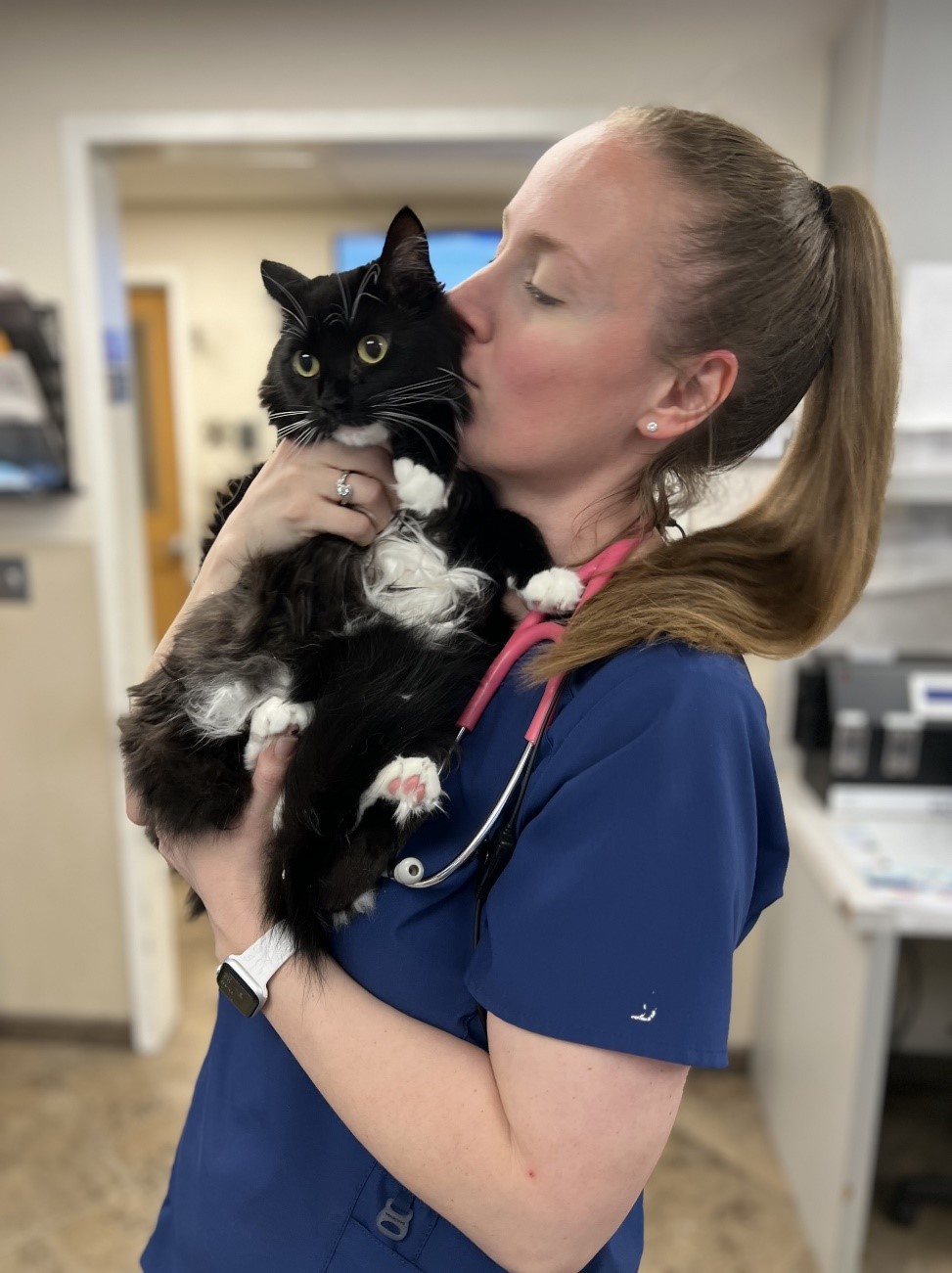
Dr. Devine with feline patient
As a veterinarian practicing and certified in Western-style medical acupuncture, I find acupuncture to be a valuable modality for a variety of species.
While my acupuncture patient population is predominantly canine (approximately 80%), I also treat many feline patients and occasionally provide acupuncture for rabbits, birds, and reptiles.
My acupuncture approach is grounded in Western medical principles, utilizing anatomy, physiology, and current medical models to guide treatment. The most common issues I treat with acupuncture in dogs are musculoskeletal, including osteoarthritis, intervertebral disc disease (IVDD), muscle strains and sprains, and compensatory pain. Additionally, I have found acupuncture beneficial in treating neuropathies.
My treatment approach is influenced by factors such as the animal's species, the specific condition, its severity and duration, the patient's overall health and temperament, and how it integrates with other veterinary treatments. My typical acupuncture treatment protocols vary depending on the specific condition. For severe osteoarthritis cases, I often recommend weekly sessions initially for pain relief and healing. For stable chronic cases, maintenance treatments are usually scheduled every 14 to 30 days to manage pain and maintain function.
Ultimately, my goal is to provide evidence-based and compassionate care by combining Western medical acupuncture with conventional veterinary practices.
How do you determine treatment plans for your canine rehabilitation patients, and what does this rehabilitation entail?
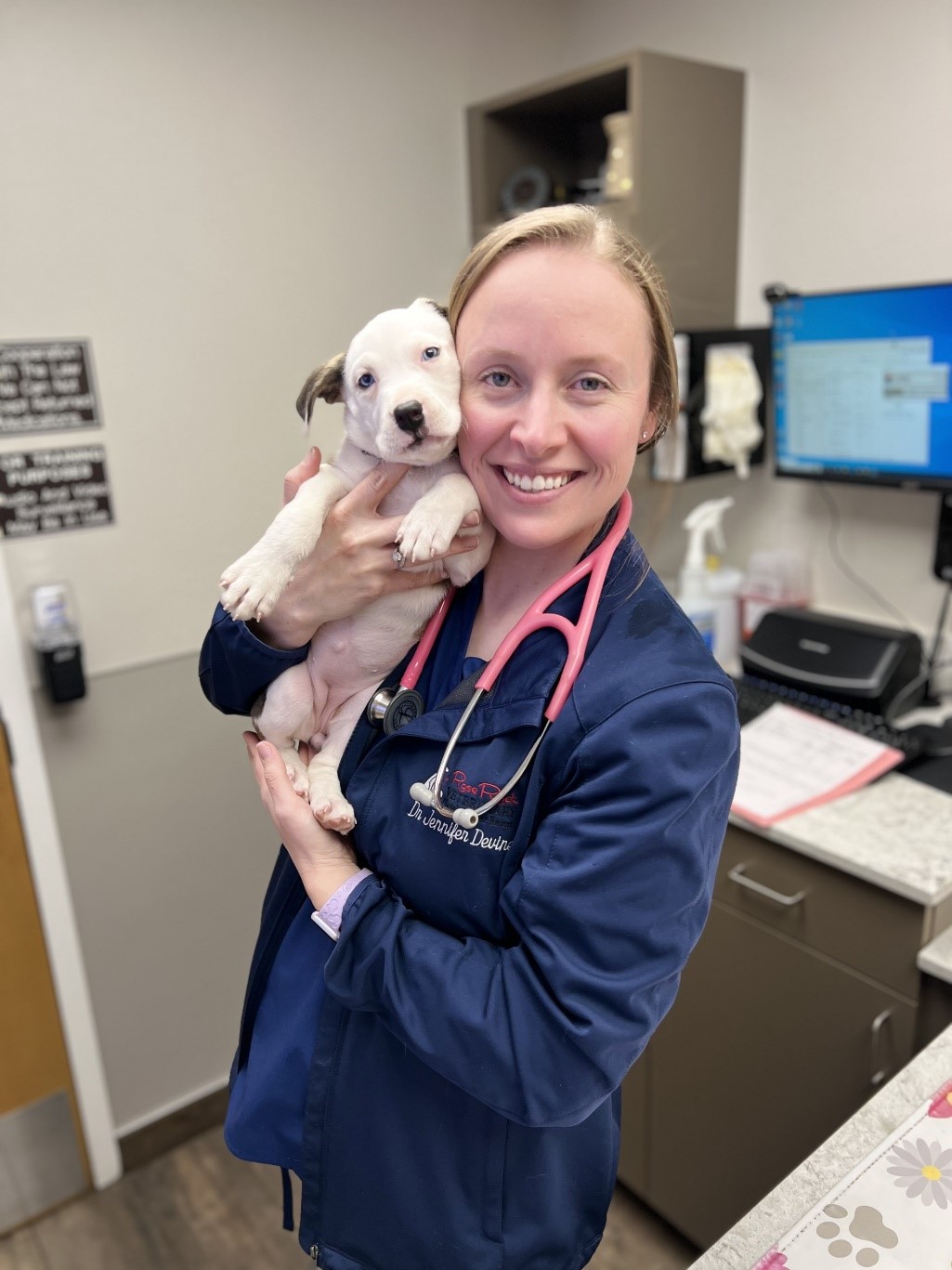
Dr. Devine with canine patient
Determining the appropriate course of rehabilitation therapy for each canine patient is a thorough process that begins with a comprehensive initial assessment. This includes gathering a detailed history from the owner, conducting a thorough physical examination with gait analysis and range of motion assessment, reviewing veterinary diagnostics, and performing a functional assessment. Based on this information, I identify the primary issues and collaborate with the owner and referring veterinarian to establish realistic rehabilitation goals. A problem-oriented treatment plan is then developed, taking into account the stage of healing, the specific diagnosis, patient tolerance, owner compliance, and available resources, such as equipment and facilities.
The implementation of the treatment plan involves in-clinic sessions where I perform specific therapies and instruct the owner on a tailored home exercise program. Progress is continuously monitored through objective measurements (e.g., goniometry for range of motion, girth measurements for muscle mass), gait analysis, pain scoring, and owner feedback, allowing for necessary adjustments to the treatment plan. Throughout this entire process, clear and consistent communication with the owner and the referring veterinarian is paramount to ensure a cohesive and comprehensive approach to the patient's care.
My approach to canine rehabilitation involves a comprehensive and multifaceted strategy, utilizing a wide array of techniques, often in combination, to address the unique needs of each patient.
Therapeutic exercises form the cornerstone of most programs, focusing on rebuilding muscle mass through strengthening exercises, improving joint flexibility with range-of-motion exercises, enhancing body awareness and stability with balance and proprioception exercises, and gradually increasing stamina through endurance training. Manual therapy techniques, including massage, myofascial release, and joint mobilization, are employed to address soft tissue restrictions, alleviate pain, and restore proper joint mechanics.
Beyond these core methods, I integrate other valuable modalities. Hydrotherapy, utilizing an underwater treadmill and swimming, provides low-impact exercise and pain management. Electrotherapies like NMES and TENS are used for muscle strengthening and pain modulation. Therapeutic laser therapy helps reduce pain and inflammation while promoting tissue healing. Thermotherapy and cryotherapy are applied strategically to provide pain relief and manage inflammation. Finally, acupuncture is integrated into pain management to reduce inflammation and promote overall well-being.
Ultimately, successful canine rehabilitation hinges on this individualized approach, emphasizing a thorough assessment, clear goal setting, a well-designed treatment plan, and ongoing monitoring to achieve the best possible outcomes for each patient.
Describe a challenging soft tissue surgery case and how you successfully addressed it.
I encountered a challenging case involving a two-year-old spayed terrier mix with a suspected foreign body obstruction. The owner was hesitant because she had lost a dog to a similar procedure last year.
This 30-pound dog ingested cloth, dental floss, grass, sticks, and plastic, severely compromising her small intestine. After several days without treatment, the foreign material festered, increasing her risk for sepsis and surgical failure.
During surgery, my assessment was grim: about 90% of her small bowel was compromised, with 14 inches necrotic and requiring resection. This was significant for her size, and I provided a guarded prognosis of 50/50.
The surgical challenge was to remove the damaged bowel while minimizing contamination and preserving healthy tissue, and to perform a tension-free anastomosis despite the reduced length. I isolated the affected section carefully, avoiding contamination, and used atraumatic techniques and lavage to minimize the risk of infection. For the anastomosis, I chose an overlapping simple pattern to ensure good bowel apposition, with a focus on achieving a leak-proof closure, given the potential for complications.
Post-operatively, she needed intensive care for seven days, including IV fluids, antibiotics, nasogastric feeding, and close monitoring for sepsis or peritonitis. After another week of supportive care, she showed remarkable improvement and was discharged.
This case taught me the importance of thorough pre-operative planning, meticulous surgical technique, and aggressive post-operative management. It also emphasized the crucial role of client communication, particularly in complex cases with guarded prognoses. While the surgical aspect was demanding, the most rewarding part was seeing this dog defy the odds and return home to her loving owner.
The owner quickly saw the value of pet insurance and signed up for a policy upon discharge.
Describe a challenging geriatric case where you successfully utilized a multimodal approach to pain management.
Shiloh, a 12-year-old Great Dane, presented a complex geriatric pain management case due to spondylosis and elbow osteoarthritis, with pain location undiagnosed until August 2022. At home, he showed signs of discomfort: a hunched back, lack of interest in play, difficulty sitting, and prolonged time required to defecate. He tried various treatments, including joint supplements, cold laser therapy, acupuncture, PRP injections, and rehabilitation therapy, yet his pain persisted, affecting his quality of life. Additionally, he had Cushing's disease, complicating his management. A multimodal approach was essential due to ongoing pain and treatment limitations. We explored multiple therapies and medications, which provided temporary relief without enhancing his quality of life.
In 2023, we initiated monoclonal antibody therapy targeting nerve growth factor, continued rehabilitation with tailored low-impact exercises, and managed his Cushing's disease. We also created a nutritional plan that supported his weight and joint health. We closely monitored his pain, mobility, and well-being, adjusting the treatment as necessary.
Following this approach, Shiloh showed significant improvement; his posture improved, he became more comfortable, and he defecated more easily. He rekindled interactions with his family and resumed playing with his brother. We also reduced his pain medication, minimizing sedation side effects.
Shiloh passed away in 2024 at the remarkable age of 13, an amazing achievement for a Great Dane. This case underscores the importance of comprehensive, individualized geriatric pain management, particularly for large-breed dogs with multiple health issues, as well as the importance of pet insurance. His success with these therapies greatly relied on him being insured, allowing his owners to concentrate on his health and needs and not the financial component.
*Please note that the perspectives, thoughts, and opinions shared within this article belong solely to the individual, Dr. Jennifer Devine, and do not represent the views or endorsement of Trupanion.